

Should You Visit a Skin Care Clinic or a Dermatologist in Greensboro?
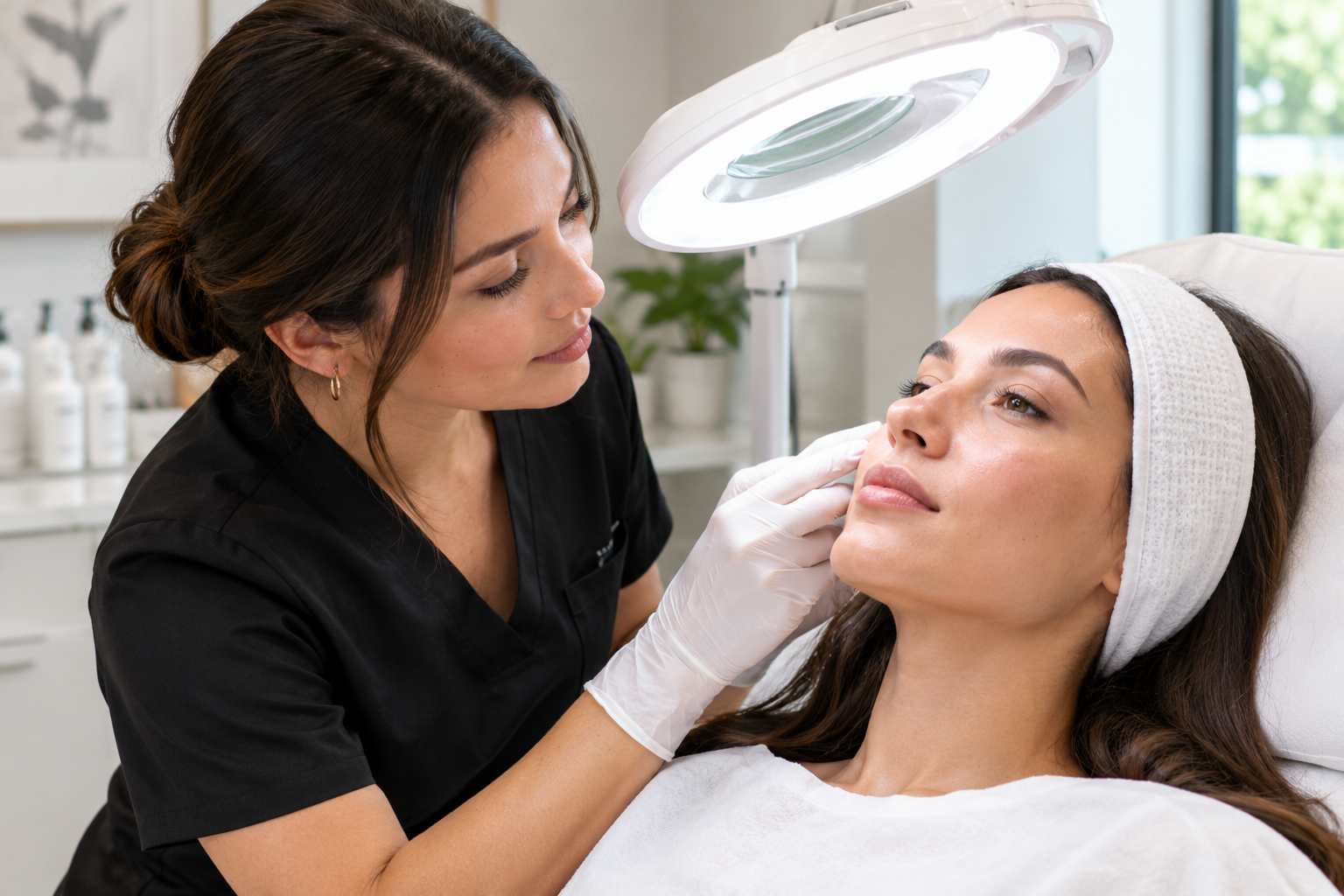
You have a skin concern that is not going away, and you are ready for professional help. Then comes the next question: do you book a skin care clinic or a dermatologist? The two can sound interchangeable, and many people are not sure which one is the right first stop.
The answer depends on what you are dealing with. Some concerns are medical and need diagnosis and prescription care. Others are cosmetic and respond best to aesthetic treatments and a tailored routine. Many people eventually benefit from both. Here is how to tell the difference, with practical examples for the concerns that bring people through the door most often.
What Is the Difference Between a Skin Care Clinic and a Dermatologist?
A dermatologist is a physician who specializes in diagnosing and treating diseases of the skin, hair, and nails, including skin cancer. An aesthetic skin care clinic focuses on improving how the skin looks, using treatments such as injectables, lasers, microneedling, chemical peels, facials, and medical-grade skincare under the guidance of trained providers.
Put simply, a dermatologist answers "what is this, and how do we treat it medically?" A skin care clinic answers "how can we improve the appearance of my skin in a way that fits my goals?"
At The Curated Aesthetic in Greensboro, aesthetic care is led by English Black, PA-C, whose background includes work in dermatology practices across North Carolina and the San Francisco Bay Area. The broader team includes an aesthetic nurse with 21 years of experience in dermatology and a licensed esthetician. That clinical background shapes how concerns are assessed, though the practice's focus is non-surgical cosmetic treatment.
When Is a Skin Care Clinic the Right First Stop?
An aesthetic skin care clinic is often the best starting point when your concern is about appearance and you are otherwise healthy. Examples include:
- Fine lines and wrinkles, including forehead lines and crow's feet
- Enlarged pores and uneven texture
- Sun damage, such as discoloration and rough texture
- Volume loss and hollowness
- Skin laxity and loss of firmness
- Dullness, dryness, and congestion
For these concerns, a clinic can offer a skin assessment, a personalized treatment plan, and ongoing care. At The Curated Aesthetic, that might include custom facials, chemical peels, laser rejuvenation, RF microneedling, injectables, or medical-grade skincare, depending on your goals.
When Should You See a Dermatologist First?
Some signs call for medical evaluation before cosmetic treatment.
- A new, changing, itching, or bleeding spot. The American Academy of Dermatology recommends using the ABCDEs of melanoma as a guide and making an appointment with a board-certified dermatologist for any spot that looks different from the others or is changing.
- Deep, painful, or worsening acne. The AAD recommends treating acne early, since deep, painful acne raises the risk of scarring.
- Persistent rashes, itching, scaling, or skin that will not heal.
- Hair loss or nail changes.
- Any concern that may need prescription medication.
If you are not sure whether something is medical, it is always reasonable to have it evaluated first.
What If Your Concern Falls Somewhere in Between?
Many common concerns sit at the intersection of medical and aesthetic care. These are the situations where a coordinated approach often works best.
Acne and Acne Scars in Your 20s and 30s
For younger adults, acne is often the concern that blurs the line. Active, inflamed acne may need medical treatment to get under control. The scars and marks left behind are where aesthetic care can step in.
The AAD notes that acne scars rarely go away completely on their own. The Curated Aesthetic's acne scars page lists options including microneedling, RF microneedling, chemical peels, and laser treatments, with gradual improvement over multiple sessions. Complete removal may not always be possible, but the appearance of scars can often be softened.
Redness and Rosacea
Rosacea is a chronic inflammatory skin condition that can cause persistent redness, visible blood vessels, flushing, and sensitivity. A medical diagnosis is a smart first step, especially if you are also experiencing bumps, eye irritation, or symptoms that are getting worse.
Once you know what you are dealing with, aesthetic treatment can help manage the visible redness. The Curated Aesthetic's rosacea page names BBL HERO, Sciton mJOULE laser treatments, red light therapy, and customized medical-grade skincare among its options, with goals that include calming inflammation and reducing visible redness. The AAD notes that laser and light therapy for rosacea is usually part of a broader plan that also includes medication and skin care.
Dark Spots and Uneven Tone
Many women notice new discoloration during periods of hormonal change, and The Curated Aesthetic's hyperpigmentation page lists hormonal changes, sun exposure, acne, and inflammation among the causes. The practice offers chemical peels, laser rejuvenation, and microneedling for pigment concerns.
Some dark spots respond best to medical care, too. The AAD notes that you may need a prescription-strength treatment for certain dark spots or patches, and that irritation from skin care products can trigger dark spots in people with darker skin tones. A spot that is changing or looks different from the others should always be checked by a dermatologist first.
Which Questions Can Help You Decide Where to Book?
If you are still unsure, ask yourself these questions before you book:
- Is the concern new, changing, painful, bleeding, or spreading? If yes, start with a dermatologist.
- Do you need a diagnosis or a prescription? A dermatologist is the right first stop.
- Is your goal mainly cosmetic, like smoother texture, more even tone, softer lines, or a more rested look? A skin care clinic is a strong place to begin.
- Have you already tried several products without results? A professional skin analysis can help you stop guessing.
- Is your concern a mix of both, like acne with scarring or redness with sensitivity? Consider using both, with each provider aware of the other's plan.
For busy professionals, this quick filter can save weeks of waiting for the wrong appointment. For younger adults dealing with breakouts for the first time, it can also prevent scarring by getting active acne treated sooner.
Can You Use a Skin Care Clinic and a Dermatologist at the Same Time?
Yes, and many people do. A dermatologist may manage a medical condition while a skin care clinic focuses on improving texture, tone, and visible aging.
To keep care coordinated:
- Tell each provider about every medication and skincare product you use. The AAD specifically mentions telling your dermatologist about medications such as isotretinoin, warfarin, or aspirin before laser or light treatments.
- Ask how treatments should be spaced.
- Share any changes in your skin between appointments.
What Does a Visit to The Curated Aesthetic's Skin Care Clinic Look Like?
A first visit centers on a personalized consultation. For skincare, that process includes a skin analysis, personalized product recommendations, a customized home routine, and follow-up as your skin's needs change. For broader goals, The FACE Method evaluates your skin, facial movement, structure, goals, and timeline before building a personalized plan.
Busy professionals often appreciate this structure. Instead of collecting products and trying treatments one at a time, you leave with a clear plan and a realistic timeline.
Frequently Asked Questions
Is a skin care clinic the same as a dermatologist's office?
No. A dermatologist is a physician who diagnoses and treats skin disease, including skin cancer. An aesthetic skin care clinic focuses on cosmetic improvements to the skin's appearance.
Can a skin care clinic treat acne?
A skin care clinic can help with breakouts, congestion, and acne marks through treatments such as custom facials, LED light therapy, and chemical peels. Deep, painful, or worsening acne should be evaluated by a dermatologist.
Should I see a dermatologist before getting laser treatment?
If you have a spot that is new, changing, or unusual, have it checked by a dermatologist first. Your aesthetic provider will also review your medical history and medications during your consultation.
Can a skin care clinic help with rosacea redness?
The Curated Aesthetic offers BBL HERO, laser rejuvenation, red light therapy, and medical-grade skincare to help manage visible redness. A medical diagnosis and ongoing care from a dermatologist can be part of the plan.
How do I choose a skin care clinic in Greensboro?
Look for experienced, licensed providers, a real consultation process, and personalized plans. The practice's guide on choosing the right skin care clinic in Greensboro covers what to look for.
The Right Door for Your Skin
The best care starts with the right question. If something on your skin is new, changing, painful, or spreading, start with a dermatologist. If your goal is smoother texture, more even tone, softer lines, or a more rested look, a skin care clinic is a great place to begin. And when your concern sits somewhere in between, using both can give you the most complete care.
When you are ready to focus on your aesthetic goals, contact The Curated Aesthetic in Greensboro to schedule a consultation and build a plan designed around your skin.