%201%20(1).avif)
.avif)
Why Does My Skin Look Uneven and Sun Damaged, and What Actually Fixes It?
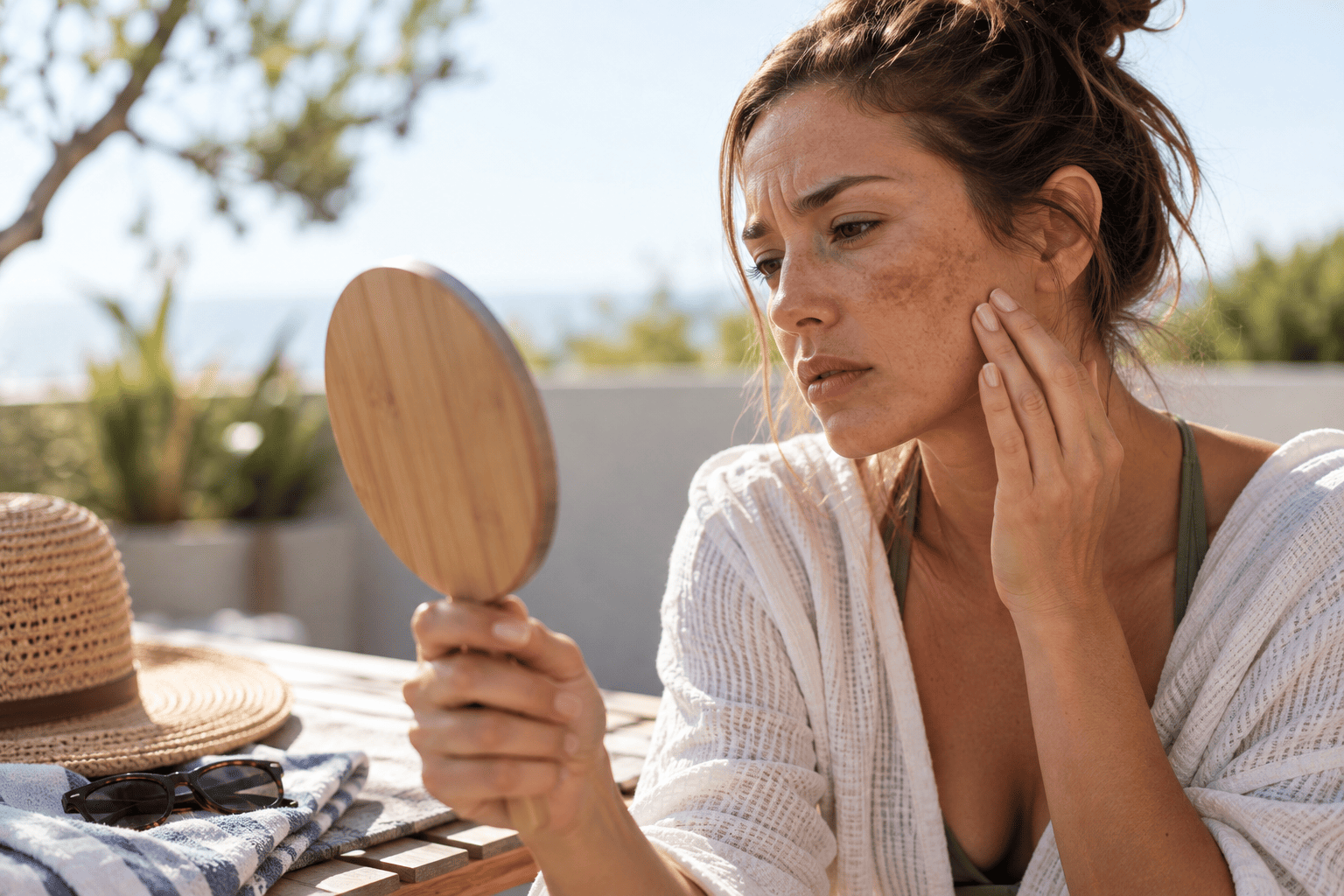
If you have lived in the Piedmont Triad for any length of time, your skin has probably lived a full life alongside you. Summers on the lake, afternoons on the greenway, years of soccer games and cookouts under a sun that does not take North Carolina humidity lightly. Somewhere along the way, a lot of Greensboro residents start noticing their skin does not look quite as even as it used to. Maybe it is a scattering of brown spots across the cheeks. Maybe it is a general dullness that makeup cannot quite fix anymore. Maybe your skin tone just looks patchy in photos in a way it never used to.
You are not imagining it, and you are also not stuck with it. Uneven skin tone and sun damage are some of the most common concerns we hear about at our Greensboro med spa, and they are also some of the most treatable, especially once you understand what is actually causing them and which options genuinely address the root of the problem rather than just covering it up.
This article walks through why sun damage and uneven texture happen in the first place, what you can do to prevent it from getting worse, and how skin laser treatment has become one of the most effective ways to reverse the damage that has already been done.
What Causes Sun Damage and Uneven Skin Tone in the First Place?
Is It Just Sun Exposure, or Is There More to It?
Sun exposure is the biggest driver, but it is rarely the only factor. Ultraviolet light triggers your skin to produce excess melanin as a defense mechanism, which is what creates those brown or reddish patches over time. Add in hormonal shifts, genetics, certain medications, and simply the natural slowdown of skin cell turnover as we age, and you end up with a complexion that looks blotchy, dull, or older than you feel.
Why Do Some People Get Dark Spots While Others Get Redness or Rough Texture?
Skin type plays a big role here. Some people are more prone to hyperpigmentation, where melanin clusters into visible spots. Others deal more with persistent redness or flushing, especially if there is an underlying tendency toward rosacea. Still others notice their skin simply feels rougher, with visible texture and enlarged pores that make foundation sit unevenly. These are all forms of the same underlying issue: sun and time have disrupted the skin's normal renewal process.
Can Sun Damage Show Up Years After the Exposure Happened?
Yes, and this catches a lot of people off guard. UV damage accumulates quietly under the surface for years before it becomes visible as sun damage or hyperpigmentation. That beach trip from a decade ago may only be showing up on your skin now, which is why so many people feel like their skin "suddenly" changed when really it has been building for a long time.
Can You Prevent Sun Damage From Getting Worse?
Prevention matters, even after damage has already occurred, because unprotected skin will continue to accumulate new spots and uneven tone on top of the old ones. Daily broad spectrum sunscreen, seeking shade during peak hours, and wearing a hat on those long Greensboro summer afternoons all help slow new damage. A solid medical-grade skincare routine also supports your skin's natural repair process and helps maintain results once you have invested in a treatment plan. That said, prevention alone will not reverse spots or texture that are already there. For that, you need a treatment that works below the surface.
What Treatment Options Actually Improve Uneven Tone and Sun Damage?
How Is Skin Laser Treatment Different From a Chemical Peel or Microneedling?
There are a few solid roads to smoother, more even skin, and it helps to understand how they differ. Chemical peels work by gently removing the outer layers of skin to encourage fresh cell turnover, which is great for mild discoloration and texture concerns. Microneedling creates controlled micro injuries that stimulate collagen production, improving tone, texture, and the appearance of acne scars over time.
Skin laser treatment takes a more targeted approach. Rather than treating the whole surface uniformly, laser energy can be directed specifically at pigment or targeted at deeper layers to stimulate collagen, which makes it especially effective for stubborn sun spots, broken capillaries, and overall tone correction that other treatments may not fully resolve on their own. Many of our Greensboro clients actually combine laser treatment with a peel or microneedling series over time, since these approaches complement each other rather than compete.
Who Is a Good Candidate for Skin Laser Treatment?
Most adults dealing with sun damage, uneven pigmentation, dullness, or visible sun spots on the face, chest, or hands are good candidates for laser treatment. It also tends to be a great fit for people who feel like their skin looks tired or aged beyond their years, a concern we see often, whether someone is asking about skincare in their 30s or navigating skincare in their 40s and beyond. During a consultation, we will look at your skin type, tone, and goals to confirm laser treatment is the right fit and to rule out anything that might need a different approach first.
What Actually Happens During a Skin Laser Treatment Session?
Walking into your first appointment, you can expect a straightforward, comfortable process. Your provider will cleanse the treatment area and may apply a topical numbing agent depending on the area and intensity of the session. The laser device is then passed over the skin, targeting pigment and stimulating the deeper layers that control collagen renewal. Most people describe the sensation as a warm snapping feeling, similar to a light rubber band flick, rather than anything painful. A typical session for the face runs somewhere between fifteen and forty five minutes.
At our facility, we combine laser rejuvenation with a personalized skincare plan so results build rather than fade, which is part of what makes this such a popular option among our Greensboro and Triad area clients.
What Does Recovery and Downtime Actually Look Like?
Downtime varies depending on the intensity of the treatment and your skin's individual response. Many people experience mild redness for a few hours to a day or two, similar to a light sunburn. Some pigmented spots may temporarily darken before flaking off naturally over the following one to two weeks, which is a normal and expected part of the process rather than a sign of a problem. Most clients are comfortable returning to normal activities immediately, with a gentle skincare routine and diligent sun protection being the main requirements during recovery.
How Long Until You See Results, and Do They Last?
Some improvement in tone and texture is often visible within the first week or two as damaged cells shed and fresh skin comes through. Full results typically develop over the following four to six weeks as collagen production ramps up beneath the surface. Because this addresses both existing pigment and the skin's deeper structure, results tend to be more lasting than surface only treatments, especially when paired with consistent sun protection and a supportive skincare routine. Many clients choose a short series of sessions spaced a few weeks apart for the most complete correction, particularly if sun damage has built up over many years.
Frequently Asked Questions
Does skin laser treatment hurt? Most people describe it as mild discomfort, often compared to a warm snap against the skin rather than true pain. Numbing options are available for more sensitive areas or higher intensity sessions.
How many sessions of laser treatment will I need for sun damage? It depends on how much sun damage and discoloration you are dealing with. Some people see meaningful improvement after a single session, while others benefit from a series of three to four sessions spaced several weeks apart.
Is skin laser treatment safe for all skin tones? Laser technology varies, and not every device is appropriate for every skin tone. During your consultation, we will assess your skin type and history to recommend the safest and most effective option for you.
Can I combine skin laser treatment with other services like chemical peels or microneedling? Yes, many clients build a plan that includes laser treatment alongside chemical peels or microneedling for a more complete approach to tone, texture, and overall skin health.
Will sun spots come back after treatment? New sun damage can develop if skin is left unprotected, which is why daily sunscreen and a consistent skincare routine are so important for maintaining your results long term.
The Glow Up Greensboro Has Been Waiting For
Sun damage and uneven tone did not happen overnight, and you do not have to live with them forever either. Whether your main concern is scattered brown spots, overall dullness, or skin that just does not look like itself anymore, there is a real path forward, and it starts with understanding your skin rather than guessing at products. If you are ready to talk through your options, our team would love to walk you through what a personalized laser treatment plan could look like for you. Reach out through our contact page to schedule a consultation, and see why so many Greensboro neighbors have made The Curated Aesthetic their go to for clearer, more even skin. This guide was updated this August 2026 to reflect the latest in laser skin treatment approaches.