%201%20(1).avif)
.avif)
How Does Microneedling Improve Acne Scars and Skin Texture in Greensboro, NC?
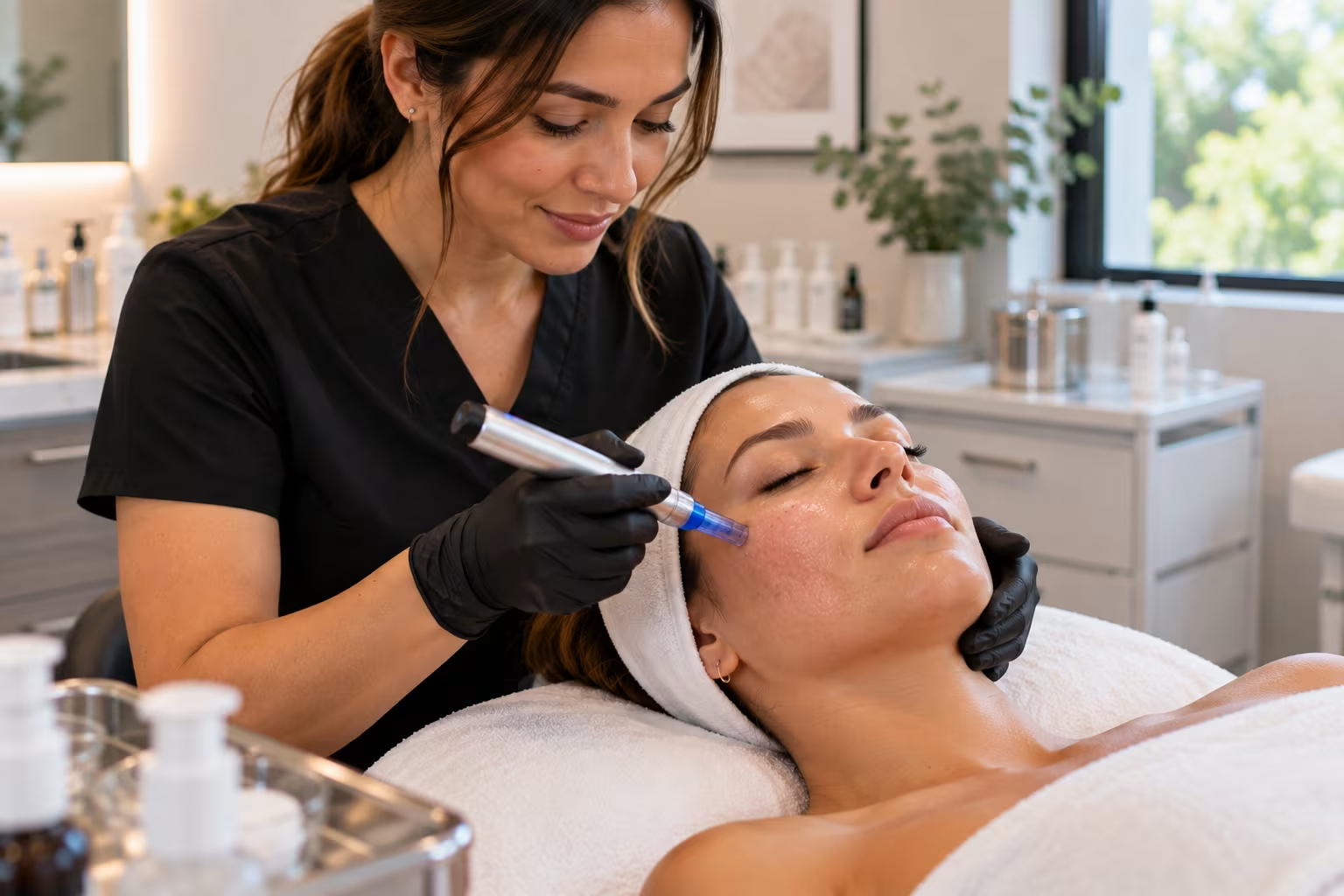
For anyone who's dealt with acne scarring, enlarged pores, or skin that just feels rough no matter how many products you throw at it, microneedling is often the treatment that finally moves the needle, literally. It's one of the few procedures that works with your skin's own healing process to rebuild collagen from the inside out, rather than just treating the surface.
At The Curated Aesthetic in Greensboro, North Carolina, microneedling is one of our go-to recommendations for clients dealing with textural concerns that topical products alone can't fix. Here's a full breakdown of how it works, what it treats, and what your skin goes through before, during, and after treatment.
What Is Microneedling?
Microneedling uses a device with fine, sterile needles to create tiny, controlled micro-injuries in the skin. This triggers your body's natural wound-healing response, which includes ramping up collagen and elastin production. Over the following weeks, that rebuilding process leaves skin firmer, smoother, and more even in texture.
We also offer RF microneedling, which combines traditional microneedling with radiofrequency energy to reach deeper into the skin for more pronounced tightening and texture improvement. Your provider can help determine which option fits your skin and goals best during a consultation.
What Skin Concerns Does Microneedling Treat?
Can Microneedling Improve Acne Scars?
This is one of the most common reasons people book microneedling, and for good reason. Acne scars, especially the shallow, pitted kind, respond well to the collagen remodeling that microneedling triggers. Over a series of sessions, scars tend to look shallower and less defined. For deeper or more textured scarring, some clients pair microneedling with chemical peels for a more comprehensive result. You can learn more on our acne scars page.
Does Microneedling Help With Enlarged Pores?
Yes. By smoothing the surrounding skin texture and encouraging collagen support around the pore lining, microneedling can make pores appear noticeably smaller and less prominent over time. More detail is available on our enlarged pores page.
Can It Reduce Fine Lines and Early Wrinkles?
Because collagen naturally declines with age, microneedling's collagen-stimulating effect makes it a popular option for softening early fine lines, particularly around the forehead and mouth area. Visit our fine lines and wrinkles page to learn more about how this concern develops.
Is Microneedling Good for Overall Skin Texture and Tone?
Beyond specific scarring or wrinkles, many clients simply want smoother, more even skin overall. Microneedling's broad collagen-boosting effect makes it effective for general texture improvement, which is part of why it pairs so well with our medical-grade skincare products for at-home maintenance between sessions.
Why More Young Adults Are Turning to Microneedling for Acne Scars
A lot of our microneedling clients in their twenties are dealing with the aftermath of teenage acne rather than active breakouts. Acne scarring from adolescence often becomes more noticeable in your twenties, especially as makeup routines shift and skin texture becomes more visible under certain lighting or on camera. Microneedling has become a go-to option for this age group because it directly targets textured scarring in a way that skincare products alone typically cannot.
There's also a growing awareness among younger clients about starting collagen-supportive treatments earlier as a form of prevention, rather than waiting until deeper wrinkles have already formed. Since collagen production naturally starts slowing in your mid-twenties, some providers now recommend microneedling as part of a long-term skin health plan rather than purely a corrective treatment. Our skincare in your 20s page goes into more detail on building this kind of proactive routine.
What Happens During a Microneedling Appointment?
Your provider will first cleanse the skin and apply a topical numbing cream to keep you comfortable throughout the session. The microneedling device is then passed over the treatment area in controlled passes, creating micro-injuries at a depth customized to your skin concerns. Many providers follow this with a soothing serum or mask to calm the skin immediately afterward.
Most sessions take between 30 and 60 minutes depending on the treatment area and whether RF energy is included.
What Does Recovery From Microneedling Look Like?
Right after treatment, your skin will likely look flushed, similar to a mild sunburn, and may feel slightly tight or sensitive. This typically fades within 24 to 48 hours. Some light flaking can occur over the following days as the skin renews itself.
Sun protection is essential during recovery, since freshly treated skin is more vulnerable to UV damage. Most providers also recommend avoiding harsh actives like retinoids for a few days post-treatment to let the skin heal undisturbed.
Sticking to a gentle, hydrating routine in the days following treatment helps your skin recover faster and supports the collagen-building process happening beneath the surface. Your provider will typically send you home with specific aftercare instructions tailored to how your skin responded to the session.
How Many Microneedling Sessions Will You Need?
Results build cumulatively, so most treatment plans involve a series of three to six sessions spaced about four to six weeks apart, depending on your specific concerns. Maintenance sessions every few months can help sustain results long term.
The spacing between sessions matters just as much as the number of treatments. Giving your skin adequate time to fully rebuild collagen between appointments leads to better, longer-lasting results than rushing through a series too quickly. Your provider will map out a realistic timeline based on your specific scarring or texture concerns during your consultation.
Microneedling in Greensboro, NC
At The Curated Aesthetic, we build every microneedling plan around your skin's specific texture, scarring, or aging concerns rather than a generic protocol. Whether you're addressing acne scars from years ago or want to get ahead of early collagen loss, our team will walk you through the right approach. Explore our microneedling and RF microneedling services, or browse our full services page.
Frequently Asked Questions About Microneedling
Does microneedling hurt? Most providers apply a topical numbing cream beforehand, so discomfort is minimal. You may feel a mild vibrating or scratching sensation during the treatment.
How long until I see microneedling results? Some improvement in skin texture is visible within a couple of weeks, but full collagen remodeling results typically develop over three to six months.
Is microneedling safe for darker skin tones? Yes, microneedling is generally considered safe across skin tones since it doesn't rely on heat-based energy the way some laser treatments do, though RF microneedling should be discussed with your provider based on your specific skin.
Can microneedling be combined with other treatments? Yes. It's commonly paired with chemical peels or topical serums to enhance results, and your provider can recommend the right combination for your goals.
How long do microneedling results last? Results can last several months to over a year depending on the treatment plan, with maintenance sessions helping extend those results further.
Consider This Your Skin's Reset Button
Microneedling gives your skin the tools to repair itself, turning acne scars, rough texture, and early fine lines into smoother, more even skin over time. This page was last updated in September 2026 to reflect our current treatment protocols. To find out if microneedling is right for your skin, contact us at The Curated Aesthetic in Greensboro, NC.