

What Does Aesthetic Skin Care Actually Look Like in Your 20s in Greensboro?
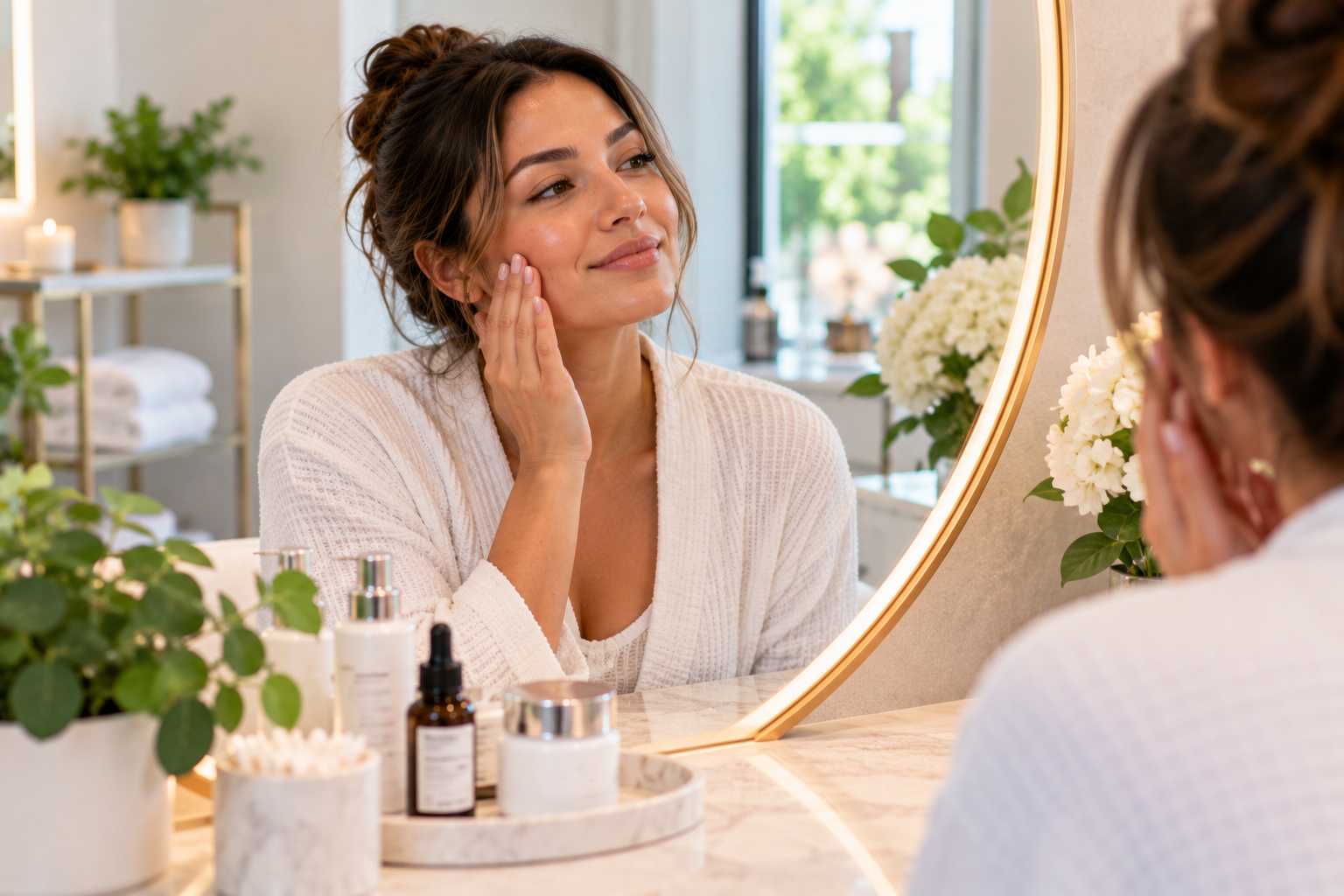
If your feed is full of twelve-step routines, glass-skin tutorials, and someone swearing a new acid changed their life, you are not alone. A lot of people in their twenties are spending real money on skincare and still feel unsure whether any of it is working. Some are dealing with breakouts or dark marks that will not fade. Others are simply wondering whether they should be doing something "preventative" before their thirties arrive.
Aesthetic skin care in your twenties does not have to be complicated or expensive. In most cases, it is about protecting the skin you have, treating the specific things that bother you, and skipping the trends that leave your skin irritated. Here is what that looks like, and how professional care at a Greensboro medspa can fit in.
What Is Aesthetic Skin Care, and How Is It Different From a Skincare Routine?
Aesthetic skin care combines a professional skin assessment, in-office treatments when they are appropriate, and a targeted home routine to improve how your skin looks and feels. A skincare routine is the part you do at home. Aesthetic skin care is the bigger picture that tells you which products and treatments actually match your skin.
The difference matters most when you are guessing. A trained provider can look at your skin type, your concerns, and your habits, then recommend a short list of things worth doing instead of a long list of things that might help.
What Skin Concerns Bring People in Their 20s to a Medspa?
Your twenties are often less about wrinkles and more about skin clarity, texture, and the marks that breakouts leave behind.
Breakouts and Congestion
Clogged pores and recurring breakouts are among the most common frustrations at this age. Custom facials at The Curated Aesthetic are designed around a detailed skin assessment and can address congestion, acne, dullness, and uneven texture. LED light therapy is another no-downtime option the practice uses for acne, redness, and inflammation, especially for sensitive or acne-prone skin.
Dark Marks Left Behind After Breakouts
A pimple can heal in days while the discoloration it leaves hangs around for months. The Curated Aesthetic's hyperpigmentation page lists acne and inflammation among the causes of persistent pigment, and its chemical peels page lists acne, congestion, and post-inflammatory discoloration among the concerns peels can address.
Acne Scars and Uneven Texture
Indented scars are different from flat marks. They involve changes in the skin's structure, which is why collagen-stimulating treatments are usually part of the conversation. The practice's acne scars page names options such as microneedling, RF microneedling, chemical peels, and laser treatments. Improvement is typically gradual, and complete removal may not always be possible.
Enlarged Pores
Excess oil, genetics, sun exposure, and a history of acne can all make pores look larger. Pores cannot be permanently removed, but the enlarged pores page explains that treatments and consistent skincare can help minimize their appearance.
Early Expression Lines
Some people notice faint forehead lines or "elevens" earlier than their friends. The Curated Aesthetic's fine lines and wrinkles page notes that preventative treatments can begin as early as your twenties or thirties, depending on the individual.
Which Aesthetic Skin Care Treatments Make Sense in Your 20s?
The Curated Aesthetic's guide to skincare in your 20s highlights three foundational options: custom facials, medical-grade skincare, and red light therapy. Together, they cover the basics of keeping skin clear, hydrated, and healthy.
Beyond that foundation, the right next step depends on your concern:
- For breakouts and post-acne marks, a provider may recommend facials, LED light therapy, or a customized peel.
- For indented acne scars or rough texture, microneedling is often recommended as a series of three to six treatments.
- For early expression lines, neurotoxins are one option for people who want to soften movement-related lines before they become more noticeable.
None of these are required simply because you are in your twenties. A good provider should be just as comfortable telling you what you do not need.
Is Your Viral Routine Doing More Harm Than Good?
More products do not always mean better skin. The American Academy of Dermatology recommends stopping products that sting or burn, since that sensation signals irritation that can make skin look older. The AAD also warns that scrubbing irritates the skin.
Irritation can be especially tricky for people with deeper skin tones. According to the AAD, a product that irritates the skin can actually cause dark spots in darker skin tones, which can turn a breakout problem into a pigment problem.
At-home peels deserve particular caution. The AAD notes that the FDA has warned that some chemical peels sold for at-home use have caused serious injuries, and it advises using peels only under the supervision of a licensed, trained provider.
If your routine involves several exfoliating acids, a strong retinoid, and a new serum every month, it may be time to simplify. A professional assessment can help you figure out which products are worth keeping.
Do You Really Need "Preventative" Treatments in Your 20s?
The most proven form of prevention is also the least glamorous: sun protection. The AAD recommends a broad-spectrum, water-resistant sunscreen with an SPF of 30 or higher. Greensboro summers are long and sunny, and daily outdoor time on campus, at the pool, or on the greenway adds up quickly.
Preventative injectables are a personal choice rather than a rite of passage. Some people with strong expression lines decide to start early, while others never feel the need. The honest answer is that your plan should be based on what your face is actually doing, not on what is trending.
How Can You Build Aesthetic Skin Care on a Student or Early-Career Budget?
Start with what gives you the most value. For many people in their twenties, that means a well-chosen home routine, consistent sunscreen, and occasional professional treatments for a specific concern.
A few ways to keep it manageable:
- Prioritize one concern at a time instead of trying to fix everything at once.
- Invest in a professional skin assessment before buying more products.
- Ask which treatments offer the longest-lasting benefit for your goal.
- Ask about payment options. The Curated Aesthetic lists CareCredit and Cherry on its financing page.
When Should You See a Dermatologist Instead?
Some skin concerns need medical diagnosis and treatment. The AAD recommends treating acne early, since deep, painful acne raises the risk of scarring. If your breakouts are painful, cystic, or not improving, a board-certified dermatologist can evaluate whether you need prescription treatment.
The same goes for any new mole or spot that is changing, itching, or bleeding. The AAD's ABCDEs of melanoma are a helpful guide, but any suspicious spot deserves a dermatologist's evaluation.
Frequently Asked Questions
What age should you start aesthetic skin care?
There is no required age. Many people start with professional guidance in their twenties, focusing on sun protection, a simple routine, and treatments for specific concerns like breakouts, dark marks, or texture.
Are facials worth it in your 20s?
For many people, yes. Custom facials can address congestion, dullness, acne, and uneven texture, and The Curated Aesthetic notes that many patients benefit from monthly visits with little to no downtime.
Can a medspa help with dark marks after acne?
Chemical peels at The Curated Aesthetic are used for acne, congestion, and post-inflammatory discoloration. Your provider will recommend an approach based on your skin type and the cause of your marks.
Is red light therapy good for younger skin?
Red light therapy is one of the treatments The Curated Aesthetic recommends for skin in your twenties. It is non-invasive, requires no downtime, and is described by the practice as supporting cellular repair and collagen production.
Do I need medical-grade skincare in my 20s?
Not always, but it can help. Medical-grade skincare at The Curated Aesthetic starts with a skin analysis and personalized recommendations, so you buy fewer products that are better matched to your skin.
Main Character Skin, Minus the Guesswork
Your twenties are a great time to learn what your skin actually needs. The goal is not a perfect routine or a stack of trendy treatments. It is healthy skin, fewer frustrating flare-ups, and habits that will serve you for decades.
If you are ready to replace guesswork with a plan, contact The Curated Aesthetic in Greensboro to schedule a consultation. You will leave knowing what is worth doing now and what can wait.